
Prayer has carried me through some of the most difficult, uncertain, and transformative seasons of my life. There have been moments when I knew exactly what to pray, and there have been seasons when I sat quietly before God without words, simply trusting that He understood the weight in my heart. Over time, I have learned that prayer is not about perfection, eloquence, or saying the right things in the right order. Prayer is about relationship. It is about drawing near to God honestly, humbly, and faithfully.

In a world filled with noise, distractions, pressure, and constant demands, prayer reconnects us to peace. It reminds us that no burden is too heavy for God and no circumstance is beyond His reach. Prayer has a way of realigning our minds, calming our spirits, and helping us remember who truly remains in control when life feels uncertain.
One of the simplest and most meaningful ways I have learned to approach prayer is through the acronym PRAY:
P: Praise
R: Repent
A: Ask
Y: Yield
This simple framework has become more than an acronym to me. It is a spiritual reminder that prayer is not only about bringing requests before God. It is also about positioning our hearts properly before Him.
Praise shifts our attention away from our problems and back toward the character and goodness of God. So often, we can enter prayer already overwhelmed by worry, fear, frustration, or exhaustion. Yet when we begin with praise, the atmosphere changes our hearts. Praise reminds us that God is still faithful even when circumstances are difficult. He is still merciful when we fall short. He is still sovereign when situations appear out of control. Praise helps us remember that the same God who carried us through yesterday will sustain us today.
Psalm 100:4 says, “Enter his gates with thanksgiving and his courts with praise.” There is something powerful about approaching God first with gratitude rather than anxiety. Praise does not deny that challenges exist; it simply acknowledges that God is greater than those challenges.
Repentance is another essential part of prayer because it keeps our hearts humble and spiritually sensitive. Repentance is often misunderstood as shame or condemnation, but true repentance is really about realignment. It is the willingness to pause before God and ask Him to search our hearts honestly. Sometimes repentance involves obvious mistakes or sin, but often it involves attitudes that quietly grow within us over time: pride, bitterness, fear, jealousy, impatience, unforgiveness, or even the desire to control outcomes ourselves instead of trusting God.
Repentance softens our hearts. It reminds us that we are still growing, still learning, and still dependent upon God’s grace every day. One of the greatest gifts of God is that He never turns away from a sincere heart seeking forgiveness and restoration. First John 1:9 says, “If we confess our sins, he is faithful and just and will forgive us our sins and purify us from all unrighteousness.” Repentance is not weakness; it is spiritual maturity and honesty before God.
After praise and repentance comes asking. God invites us to bring our needs before Him. Too often people feel they must carry every burden alone, especially those in leadership, caregiving, ministry, or positions where others depend upon us. Yet prayer reminds us that dependence upon God is not weakness. It is faith.
We can ask God for wisdom, strength, healing, peace, provision, clarity, endurance, and direction. We can ask Him to guide our decisions, protect our families, strengthen our relationships, and calm our fears. Scripture encourages us in Matthew 7:7 to “Ask and it will be given to you; seek and you will find; knock and the door will be opened to you.” God cares deeply about the things that concern us because He cares deeply about us.
Still, perhaps the most difficult part of prayer is yielding. Yielding requires surrender, and surrender is not always easy. After we have praised, repented, and asked, we must eventually trust God enough to release control. Yielding means saying, “Lord, not my will, but Yours be done.” It means trusting His timing when answers do not come quickly. It means believing His wisdom is greater than our understanding even when life unfolds differently than we expected.
Many people pray sincerely, yet leave prayer still carrying the burdens they supposedly placed before God. True surrender means releasing the outcome into His hands and trusting Him with what we cannot control. Proverbs 3:5 reminds us to “Trust in the Lord with all your heart and lean not on your own understanding.” Yielding does not mean giving up. It means trusting God enough to let Him lead.
As I continue growing in faith, I realize more and more that prayer is not simply an activity reserved for difficult moments. Prayer is a lifestyle. It is daily dependence upon God. It is choosing peace over panic, trust over fear, and surrender over control. Prayer centers us when life becomes chaotic and strengthens us when seasons become heavy.
The PRAY framework serves as a simple reminder that prayer is both personal and transformational. Praise keeps our hearts grateful. Repentance keeps our hearts humble. Asking keeps our hearts dependent. Yielding keeps our hearts surrendered.
No matter what season you may be walking through today, know that God is listening. He is near to the weary, present in uncertainty, and faithful in every season. Sometimes the most powerful thing we can do is simply pause, breathe, and PRAY.

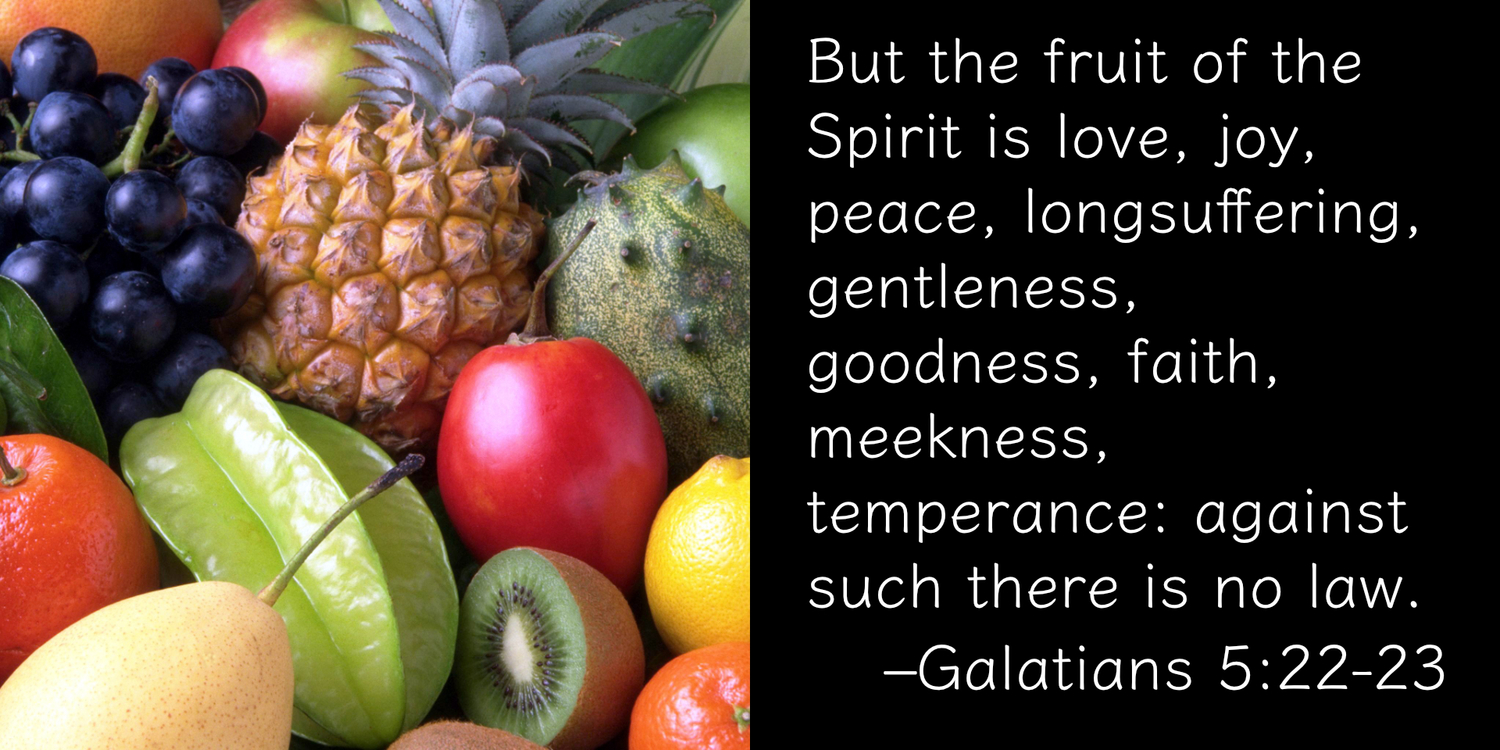 forbearance, kindness, goodness, faithfulness, gentleness and self-control. Against such things, there is no law.” I believe the reason this scripture has been one to stick to through dark days is so we remember God has called us out of that darkness and expects us to live as a shining example for others to see. We are supposed to live for Him. The Word of God tells us in Matthew 7:19-20, “Every tree that does not bear good fruit is cut down and thrown into the fire. Therefore, they will know us by our fruit.”


 During these times of isolation, it is so easy to fall into a state of sadness, depression, and maybe even anger. However, we can also choose to look for the lesson in our current situation and try to redirect our thoughts. Think about it, isn’t this the perfect time to see how we can help someone who may be feeling alone, feel loved? Isn’t it an ideal time to take our loneliness and turn it into a tool that can help ourselves and others? One means of doing that is through social media. What an excellent way to reach out to laugh, enjoy the jokes, the comments, the memes, and some of the silliest things people are coming up with just to connect and make life a little more bearable.
 I am about to begin that next chapter. I am excited about what God is doing in my life. More than that, I am excited about what He will do in yours. I am not saying to be foolish. I am saying to take time to connect with God during these days of isolation. Reflect on His goodness so that you are not paralyzed with fear. Look back on where He has brought your from and what He has done in your past. Trust yourself too.
 want to say hogwash! However, at my age, I can honestly say that many of my challenges have equipped me for greater things. I know, I know, you might say that I am only saying that because I haven’t faced what you are facing. That may be the case, but you never know what people go through. We don’t really share our deepest troubles on social media. At least I don’t.
 I grew up believing in the supernatural. I believe to this day in the literal ability to hear from God. For many, this sounds weird and probably makes some of you feel that I am some kind of spiritual lunatic. I can assure you that I am not. Anyway, I will not pretend that I am not super spiritual, because I am.
