Overcoming Offenses: A Path to Healing in Relationships

One of the blessings—and sometimes the challenges—of life is that if we live long enough, we’re bound to encounter offenses. Someone might say something untrue, or say something true that we simply don’t like or that rubs us the wrong way. It could be a careless word from someone or a dismissive attitude that sets us off. And when we feel misunderstood or treated insensitively, our reactions can become overwhelming.

Honestly, I believe that being offended itself isn’t the biggest problem. The real challenge is when we hold onto those offenses, refusing to let them go. That’s when we hurt ourselves the most. As believers, we have a divine guide for every area of our lives—including how we handle offenses.

Ephesians 4:31-32 (NIV) gives us clear instruction:
“Get rid of all bitterness, rage and anger, brawling and slander, along with every form of malice. Be kind and compassionate to one another, forgiving each other, just as in Christ God forgave you.”

Recently, I observed a situation that had been developing over time. An individual received feedback from colleagues regarding their communication style. The feedback highlighted concerns about tone and approach, including comments related to interactions with others.

This is not the first time I have discussed responses and attitudes with this individual. Previously, it was noted that responses to feedback could sometimes be defensive or withdrawn. The individual often maintains their own perspective, which can impact team dynamics.

In response to recent feedback, the individual chose to share their perspective openly. Their intentions appeared to be genuine, and they expressed a willingness to clarify their position. This situation underscores the importance of how perceptions and responses can influence working relationships and the overall team environment.

As believers, we are called to humility and self-examination. Whether we are right or wrong, we should be mindful of how our words and actions impact others. When someone points out an offense, let’s remember Ephesians 4:31-32—get rid of bitterness, rage, anger, slander, and malice. Instead, be kind, compassionate, and forgiving—just as Christ forgave us.

If we truly value unity and collaboration, our behaviors must reflect our words. Let’s choose humility, address offenses quickly, and demonstrate Christ’s love through our responses. When we do, we foster environments of healing, growth, and trust—becoming true reflections of His grace.

Finding Confidence Through Betrayal and Faith

Losing confidence is such a human characteristic. Yet, we are shocked when the most confident of us, lose it. As I sit here and write this blog, I can’t help but see parallels to Holy Week. It is a time that encapsulates both betrayal and redemption. There are moments in life when the weight of fear can settle heavily on our hearts. This includes fear of failure, rejection, and even betrayal. It causes us to second-guess our worth and abilities. We often find ourselves spiraling into self-doubt. It’s a place where the mind plays cruel tricks. The mind whispers lies that erode our confidence. This echoes the story of Judas Iscariot, who betrayed Jesus for thirty pieces of silver. His act of betrayal devastated trust within the close circle of disciples. It also revealed the human struggle with insecurity. Furthermore, it showed the desperate need for acceptance.

I have experienced betrayal, not just once, but several times throughout my life. Betrayal is not something we easily get over. In fact, it’s a time when we feel abandoned. We feel as if we are alone in our suffering. We are paralyzed by the fear of what others think.

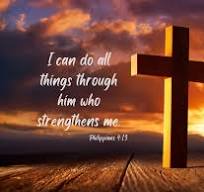
Psalm 55 reminds us of the pain we can experience by betrayal. It mirrors the feelings of inadequacy that can overwhelm us when we face rejection. Yet, it is precisely in these dark tunnels of despair that Christ calls us back to His light. Through His sacrifice, the cross stands as an enduring symbol of hope. It assures us that our worth is found not in the opinions of others. Instead, it is found in the unchanging love of God. As Philippians 4:13 declares, “I can do all things through Christ who strengthens me,” we must remember one important truth. We don’t have to navigate our insecurities alone. We are empowered by His strength, so we are never alone.

Reflecting on Jesus’ response to Judas is particularly illuminating. Even in the act of betrayal, Christ addressed him as “friend” (Luke 22:48), showcasing a grace that transcends human emotions. This is a poignant reminder. Our identity is not diminished by the failures or judgments of others. Instead, it is defined by the love that God has for us. As I ponder these themes, I deeply resonate with 2 Timothy 1:7. It states, “For God has not given us a spirit of fear, but of power and of love and of a sound mind.” This offers reassurance that we do not have to stay paralyzed by fear or the shame of perceived failures. 

As we walk through this Holy Week, we learn to embrace confidence. It arises from our relationship with Christ. The journey can be filled with challenges. There are moments of betrayal and the haunting specter of doubt. By surrendering our fears to God, we can uncover a strength that is not our own. Remember, confidence is rooted in the knowledge that we are loved, worthy, and never alone. We can rise above our fears. We anchor ourselves in faith. The path to renewed confidence lies in the steadfast love of our Savior. In Christ, we find our true identity and strength. This empowers us to face betrayal and rejection with hope. We have renewed resolve.

God’s Constant Work in Our Lives

In our daily lives, it can often feel as though we are surrounded by chaos and uncertainty. Events unfold that seem to disrupt our progress, and the schemes of others can challenge our peace of mind. Nevertheless, it is essential to remember that God is always at work in the background. He orchestrates events in ways that we may not instantly perceive. His presence is both a comfort and a guiding force, reminding us that we are never alone in our struggles.

Each morning, we are met with the promise of God’s mercies. Lamentations 3:22-23 reminds us: “The steadfast love of the Lord never ceases; His mercies never come to an end; they are new every morning; great is your faithfulness.” This scripture emphasizes that no matter the trials we face, His love and grace are always there. Even when we endure setbacks, His love and grace stay. It reminds us that the difficulties of yesterday do not define our today or tomorrow. This fresh start, often overlooked, invites us to trust in God’s unwavering attention to our lives. He is continuously working things out for our good, weaving together the complexities of our journey with divine purpose.

Reflecting on my own experiences, I remember the obstacles I faced. I aspired to move into management 30 years ago. Many of my peers seemed to effortlessly work their way up the corporate ladder. I realized I needed a degree to be considered for leadership roles. The journey seemed daunting, filled with uncertainty and setbacks. Yet, God opened a significant door by introducing me to a college trainee program—a pathway I could confidently walk through. This opportunity was a testament to God’s provision. It affirmed that He was aware of my struggles. He was guiding me toward my goals.

Another defining moment was during my pursuit of a doctoral degree. The challenges I encountered, particularly from some committee members, felt overwhelming at times. Their critiques and doubts threatened my confidence, and I often found myself contemplating giving up. Yet, in those moments of despair, I leaned into my faith and sought God’s guidance. He reminded me that perseverance is a vital part of growth. I pushed through the obstacles and remained steadfast. As a result, I managed to finish my degree. I also emerged stronger and more resilient.

It’s easy to become discouraged by obstacles and adversities. These challenges arise from the schemes of others, just as I experienced in my journey. Yet, in such moments, we must anchor ourselves in the truth that God’s plans override all human intentions. Individuals pursue their own agendas. Sometimes they act with ill intent. Nonetheless, God has a broader vision for our lives that is rooted in love and wisdom. His plans are far greater than anything we could conceive, beckoning us to dream bigger and hope more fully.

Trusting in God’s providence means acknowledging that His timing does not always align with our desires. There will be moments when we find ourselves waiting or enduring situations that challenge our faith. It is in these times that we often experience the profound depth of God’s faithfulness. Hebrews 11:1 reminds us, “Now faith is the assurance of things hoped for, the conviction of things not seen.” Each challenge becomes an opportunity for growth, shaping us into the individuals He intends us to be.

In reflection, the assurance of God’s continuous work invites us to cultivate a posture of trust. We are called to lean into His understanding. We must seek His guidance. We should rest in the knowledge that He sees the bigger picture. Even as we navigate through the various circumstances of life, we can find peace. We are assured that His love is a constant force working on our behalf. Romans 8:28 encourages us by stating, “And we know that in all things God works for the good of those who love him, who have been called according to his purpose.” Embracing this truth encourages us to move ahead with confidence. We are assured that we are being lovingly guided toward a future filled with promise.

In the end, let us hold tightly to the reality that God is always at work. He is tirelessly weaving His plans in the background of our lives. As we awaken each day, let us embrace His new mercies. We should trust in the incredible journey that He has laid out for us. This journey is free from the limitations of human schemes. With faith in His ultimate goodness, we can approach each day with hope. We know that our future is secure in His loving hands. As 2 Corinthians 5:7 reminds us, “For we walk by faith, not by sight.” This scripture helps us remember that trusting in God’s unseen plans leads us to a deeper relationship with Him. This trust also guides us to a brighter path ahead.

The Bridge of Forgiveness

Forgiveness is not easy. It is a road often littered with the debris of past wounds, misunderstandings, and broken trust. I know this well. The past year tested me in ways I never expected. Some of those wounds have followed me into this new season. One relationship, in particular, remains a challenge. It is strained by distrust on both sides. Yet, it is bound together by the necessity of working side by side.

I won’t pretend it’s simple. Every interaction carries the weight of history, and sometimes, I feel the tension before a word is even spoken. I have decided to walk in sincerity. This decision is not just for peace’s sake. It is because I am called to something greater. I can’t control his heart, but I can control mine.

Ephesians 4:31-32 reminds me: “Let all bitterness and wrath and anger and clamor and slander be put away from you, along with all malice. Be kind to one another, tenderhearted, forgiving one another, as God in Christ forgave you.

Forgiveness does not mean forgetting. It does not mean pretending the hurt never happened. But it does mean releasing the grip of resentment so that I am free. I am not weighed down by anger. I am not shackled by bitterness. Forgiveness is not a gift I give to him; it is a gift I give to myself.

So I choose to extend grace. This is not because trust has been fully restored. It is because I refuse to let my heart be hardened. I choose to be genuine in my interactions, even if I am met with skepticism. I choose to see him as more than the sum of our conflicts.

For those walking a similar road, know this: Forgiveness is not a moment; it is a journey. It is a bridge we must build with each act of grace. Every prayer for wisdom is a step. Each step away from resentment is a step toward healing.

As I walk this road, I do so with determination. I hold fast to the words of Romans 12:18. “If it is possible, as far as it depends on you, live at peace with everyone.”

I will do my part. I will walk in integrity. And I will trust that grace—God’s grace—is enough for the rest.

Meekness is not a Weakness

Over the last several months, I have been studying the Fruits of the Spirit found in Galatians 5:22-23. Each week, we’ve taken one fruit, dissecting its meaning and significance. At one point, someone observed that the latter three fruits—faithfulness, meekness, and self-control—require much more intentional effort and conscious focus in our lives.

Of these three, the fruit of meekness has particularly piqued my interest, especially as I recognize my own need for it. I learned about meekness long ago, but only recently have I taken the time to explore its definition and relevance in my life. In my earlier work, “You Call That Love? This is Love,” I focused on 1 Corinthians 13 and Galatians 5. As I reflect on those teachings, the Holy Spirit now invites me to look deeper at meekness, a fruit that demands my attention and intentional focus.

Meekness is so often overlooked. The world teaches us to fight for our rights, to pursue self-assertion, and never to let anyone diminish our worth. However, the Bible presents a counter-narrative. As Matthew 5:5 states, “Blessed are the meek, for they shall inherit the earth.” Someone once described meekness as “a controlled strength that involves trusting in God and submitting to His will.” This humility is indeed a valuable characteristic, yet it is frequently mistaken for weakness. Yet, if being meek was good enough for Jesus—who exemplified strength through His humility—why isn’t it good enough for me?

When I think of Jesus, I see not a weak figure, but the epitome of meekness. He says in Matthew 11:29, “Take My yoke upon you and learn from Me, for I am gentle and lowly in heart, and you will find rest for your souls.” Jesus displayed incredible strength in meekness. He rebuked the proud yet offered grace to the humble. In my own life, I find that without the Holy Spirit’s intervention, my human nature struggles against meekness, especially when I feel threatened or disrespected.

So, what can I do? I must rely on the Holy Spirit. Cultivating meekness means recognizing how God sees this valuable trait—not through the distorted lens of society. Meekness reflects characteristics of Christ and holds immense significance in our walk of faith.

In considering the value of meekness, I constantly remind myself that my human instincts will always seek to defend my pride if left unchecked. Will I choose to reflect Jesus and embrace meekness? Do I wish to be conformed to this world, or do I aspire to be transformed by the renewal of my mind through Christ (Romans 12:2)?

Ultimately, the answers to these questions are clear to me. In moments of frustration or pride, I remember the words of James 4:10: “Humble yourselves before the Lord, and He will exalt you.” I see this not as a call to weakness but as an invitation to strength under control, a practice of humility rooted in the conviction that true honor comes from God.

So, how about you? How can you embody the fruit of meekness in your own life? I encourage you to reflect on this passage and ask the Holy Spirit to guide you in embracing this powerful trait, for “the meek shall inherit the earth” (Matthew 5:5)

Renew Your Mind: The Power of God’s Word

We humans are such weird people. For no reason, we can break into tears just thinking of how God delivered us. This month, I turn my attention to spiritual warfare, which I think might or might not resonate with you.

be-transformed-by-the-rewnewing-of-your-mind-romans-12-in-due-time-blog-1

Years ago, I taught adult Sunday School and used Joyce Meyer’s book, The Battlefield of the Mind. I loved that book back then. Joyce always provides scripture to support her discussions, which is no different. She outlined some essential points: It is crucial to discern what we allow into our minds; it is vital to renew our minds; we need to be aware of mental strongholds and the importance of trusting in God. There are many scriptures, but there are two that I tend to feed myself regularly.

Romans 12:1-2, “Therefore, I urge you, brothers and sisters, in view of God’s mercy, to offer your bodies as a living sacrifice, holy and pleasing to God—this is your true and proper worship. Do not conform to the pattern of this world, but be transformed by the renewing of your mind. Then, you can test and approve God’s good, pleasing, and perfect will. Also, Philippians 4:8 says, “Finally, brothers and sisters, whatever is true, whatever is noble, whatever is right, whatever is pure, whatever is lovely, whatever is admirable—if anything is excellent or praiseworthy—think about such things.”

I encourage you today to practice reciting scripture to yourself often. I don’t care how strong in the faith we think we are; when we are attacked, we are the most vulnerable to hearing white noise. We are weakened in body and mind due to worry, and that’s when the enemy will come in for the kill—reminding you how horrible you are or how naïve—telling you that everyone is against you and that when you don’t hear from anyone, you believe the lie.

If you plug into God’s Word, I am not saying you won’t struggle with self-doubt or insecurities. You will at some point. However, I learned by going through stuff that the Word of God gave me comfort and, in some instances, confidence. I came to say, Lord, whatever happens, I trust You. You may have to say this to yourself repeatedly, and that’s okay.

Remember, when you let your mind worry about all the “what-ifs,” push them out, fill your mouth with prayer, and speak the Word of God. “You are of God, little children, and have overcome them. For greater is He who is in you, than he that is in the world.” (1 John 4:4).

Faith. Hope. Purpose

As I write this blog, we are entering Holy Week. As usual, this time of year always inspires me to reflect. I cannot help but think about the sacrifice and resurrection of my Lord, Jesus Christ. Amid my pondering, I am compelled to share a message of encouragement with you all.

We are blessed with the gift of life, with divine purpose and intention. Life is meant to be lived positively and purposefully; we should embrace every moment with gratitude and determination. Despite our challenges, we should cast aside blame and excuses, for they only hinder our progress.

Instead, let us embrace ownership of our lives, recognizing that we have the power to shape our destiny through our thoughts, words, and actions. Remember Philippians 4:13: “I can do all things through him who strengthens me.” With faith as our guide and God’s grace as our strength, there is nothing we cannot overcome.

As we approach Easter, let us reflect on Jesus Christ’s ultimate act of love and sacrifice on the cross. His resurrection symbolizes hope, renewal, and the promise of new beginnings. Let this be a reminder that no matter how difficult our circumstances may seem, there is always hope on the horizon.

So, my dear friends, I encourage you to embrace your life wholeheartedly. Seize each day with courage and conviction, knowing that the One who created you loves you unconditionally. I pray this Holy Week that we will allow faith, positivity, and purpose to drive our actions, for in doing so, we will unlock the full potential of our God-given talents.

May this Holy Week be a time of reflection, renewal, and recommitment to living a life that glorifies God in all that we do. Remember, it’s your life—own it. No blame. No excuses.

Embracing Gentleness: The Power of Softening Our Words

I begin today by reflecting on a concept that holds immense power yet often goes overlooked in our daily interactions: gentleness. As someone who has long believed in the direct approach, I’ve come to understand the importance of softening our words and embracing gentleness in our communication.

embrace gentleness


In a world where candor and straightforwardness are often celebrated, it’s easy to overlook the impact our words can have on others. The truth is, our words have the power to either build up or tear down, to inspire, or to wound. And in the pursuit of being direct, we sometimes forget the profound effect our tone and delivery can have on those around us.
The Bible offers wisdom, reminding us that “gentle words turn away wrath, but a harsh word stirs up anger.” Proverbs 15:1.


This simple yet profound truth underscores the transformative power of gentleness in our interactions. When we approach others with gentleness, we not only disarm hostility but also create an environment of understanding and empathy.

proverbs31

Gentleness does not imply weakness or timidity; rather, it signifies strength under control. It takes courage to temper our words, to choose kindness over bluntness, and to prioritize the well-being of others above our desire to be heard. Moreover, gentleness fosters deeper connections and strengthens relationships. When we communicate with gentleness, we convey respect, humility, and a genuine concern for the feelings of others. It allows us to navigate conflicts with grace and resolve differences with compassion.


Our goal should be to cultivate gentleness in our speech and actions and to remember that it is not about diluting our message or compromising our values. Instead, it is about infusing our interactions with warmth, empathy, and understanding.


Today and the days to follow, let us embrace gentleness as a guiding principle in our communication. Let’s recognize its transformative power to diffuse tension, foster connection, and cultivate harmony in our personal and professional relationships. May we always remember the absolute truth, the Word of God, that gentle words turn away wrath, and they have the extraordinary ability to sow seeds of peace.

Lacking Confidence?

Have you ever looked at some people, and they just seemed to exude confidence? Yeah, I have, too. Have you ever wondered why some have no problem stepping up and taking on any challenge without worries while others shy away? Are you one of those who lacks confidence, and privately, you wonder why you cannot overcome the fear of not being “good enough?” Also, when does self-confidence become arrogance?

confidence

There are so many questions with one answer. It all begins with God. If you start with God as your foundation, you will surely build self-confidence rather than arrogance. How would you know? The Holy Spirit will remind you.

Now, how do you build confidence? It begins with God also.
The first thing that comes to mind is the scripture that reminds us that we are made in God’s image. Another. one says, “I can do all things through Christ who gives me strength.” And another tells us that “God’s gifts and calling are irrevocable.” So, if you begin with what the word of God says about you and fill your mind with these things rather than the harmful noise, you can build confidence.

This month, I want to emphasize the profound significance of believing in yourself, staying the course, and embracing confidence and consistency on the journey to success. As we navigate life’s challenges, a timeless wisdom is found in scripture that resonates with these principles.

Proverbs 3:5-6 reminds us to trust in the Lord with all our hearts and lean not on our understanding. This scripture is a foundation for self-belief, urging us to believe in our abilities even when faced with uncertainties. The path to success often requires us to trust our capabilities, but I reject that. We must trust God first and then believe He cares about the things that concern us and will help us achieve our dreams and goals.

As we go through life, we will face obstacles, but faith, perseverance, and resilience can lead to eventual success. Staying true to our goals, even in the face of adversity, is a testament to God’s power working through us.

I can do all things

Confidence and consistency find a voice in Philippians 4:13: “I can do all things through Christ who strengthens me.” This verse highlights the empowerment that comes from a confident belief in God and confidence in oneself, coupled with the consistency of effort. Remember, our abilities are amplified when rooted in faith and sustained through dedicated consistent action.

As you pursue your aspirations, remember to draw inspiration from the scriptures. They emphasize belief, perseverance, and confidence. Remember, by believing in ourselves, staying the course, and being confident and consistent, we unlock the door to a future where success is not just a destination but a journey of growth and fulfillment.

If Not Now, When?

So, I missed you last month. But, unfortunately, my life was so busy; I forgot to write. So here I am, ready to engage with you again.


Have you ever heard the phrase, “If not now, when? If not you, who?” I have always liked that saying because it epitomizes how I have lived my life. I have always believed that I could either sit around and blame someone else for my challenges, make excuses for why I could not do something, wait for someone to give me a chance or not give me one, or plot my path.


I was excited and enthusiastic about everything when I began my work career. I remember the first time I interviewed for the management training program with the Army & Air Force Exchange Service. That program offered college graduates an opportunity to join the company at the lowest managerial level and learn to be a manager. I recall the interview in Dallas and visiting the headquarters building. I was so enamored with the various professionals walking around, and back then, people wore suits to work!

if not now, when


Being from a family of churchgoers and not white-collar professionals, I always knew this was the kind of person I wanted to be. So, although I was not a student that anyone took an interest in, except one female basketball coach who also inspired me, I had to learn to believe in myself. I remember just being happy to be there with all the other potential hires. After the interviews, I got on the plane back to Florida, praying that I would be offered a job. Every day, I waited for the mail to see if I would receive a positive response from the company. Finally, one day, it came, and I was so happy to be seen, believed in, and accepted as a person for their program.


Today, some might think that my life’s journey has been easy, and I had only wonderful moments with no challenges at all. Truth be told, I was the first one in my family to attend college and graduate. When I said that to my family members, no one asked, “Why?” they just figured out a way for me to go. Their attitudes were, “Why not her?” and that was my attitude. No one had done it before me, but that doesn’t mean I can’t do it! So, if not me, who? After I attended and finished college, almost every one of my family members who came up after me attended college also. When I started working a white-collar job, nearly every family member younger than me did so, also. Why? It’s because they saw it to be possible.


Today is a new day. Don’t allow people with bad attitudes and old grudges to keep you from your dreams. Stop listening to the chatter of why you cannot do something. When others begin to project on you their limitations, don’t accept them. When they say that the system isn’t for you, I say, challenge the system, not in a hostile or aggressive way, but in a positive, polished, self-assured manner. Let your attitude be one of the possibilities, not of problems. Tell yourself and others, “If not now, when? If not me, who?” and let them try to convince you otherwise!